How to Care for Your Epoxy Floor and Make It Last for Years
Published April 20, 2026 • 5 min read
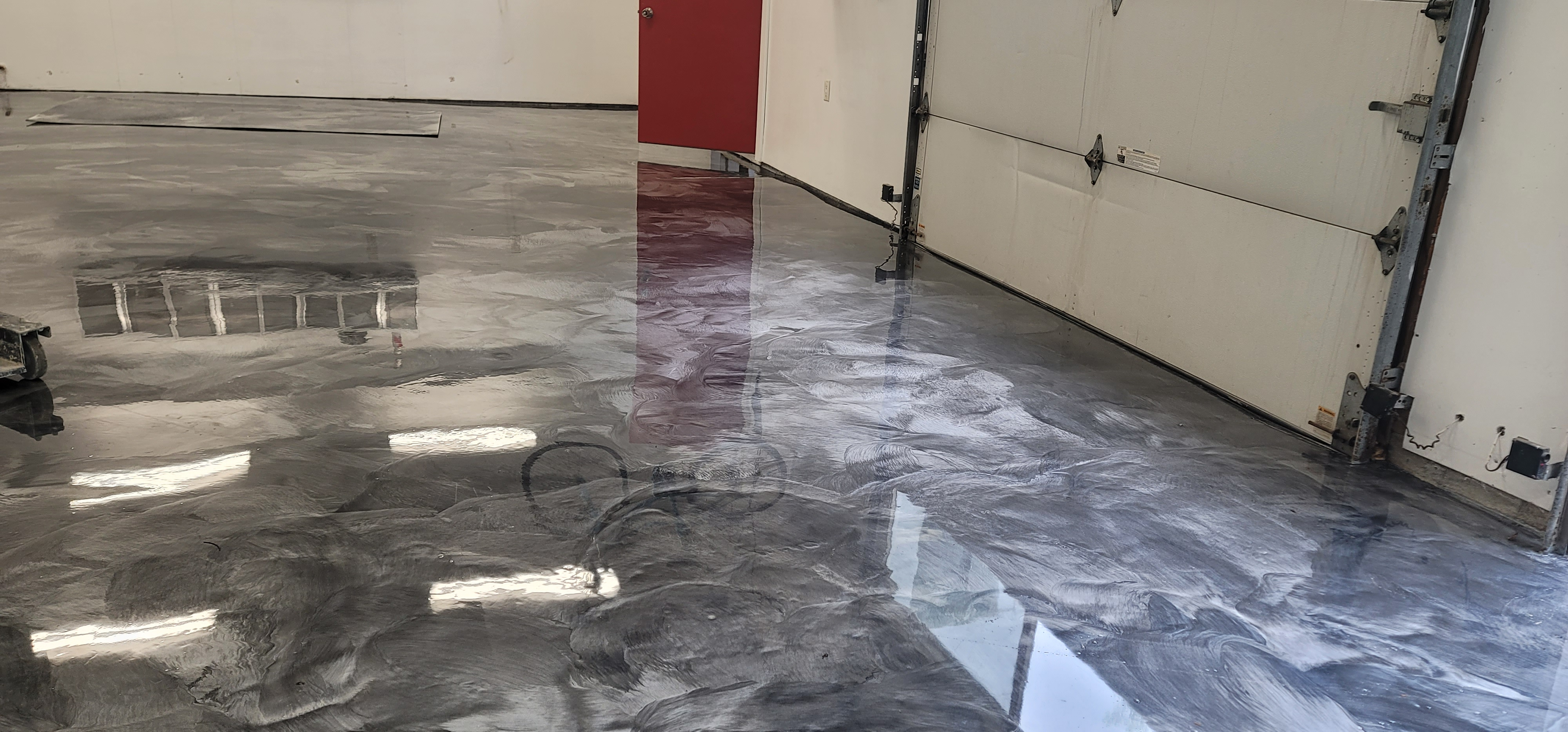
One of the biggest advantages of a professionally installed epoxy floor is that it's extremely easy to maintain. Unlike bare concrete that stains permanently, or carpet that traps dirt and odors, a well-coated epoxy floor simply needs regular cleaning to stay looking excellent for years or even decades.
That said, "easy to maintain" doesn't mean "zero effort." Here's everything you need to know to protect your investment and keep your floor looking like the day it was installed.
Routine Cleaning: What to Do Regularly
For day-to-day maintenance, less is often more. You don't need specialty products — just the right approach:
- Sweep or dust mop weekly (or whenever you see debris). Fine grit and sand particles are the enemy of a glossy surface — they act like sandpaper underfoot and can dull the finish over time if left to accumulate.
- Mop with warm water and a mild, pH-neutral cleaner for a deeper clean. A diluted solution of Simple Green or a comparable household cleaner works well. Avoid anything acidic or alkaline, as strong chemicals can dull or etch the topcoat over time.
- Rinse with clean water after mopping to remove any soap residue, which can leave a slippery film.
Pro Tip: A microfiber dust mop picks up fine particles more effectively than a traditional broom and won't scratch the surface. It's the single best tool for regular epoxy floor maintenance.
Dealing with Spills
One of the greatest benefits of an epoxy floor is that spills don't soak in — they just sit on the surface until you clean them up. For most spills:
- Oil and grease: Wipe up immediately with paper towels or a rag. For stubborn residue, use a degreasing cleaner like diluted Simple Green and a soft scrub brush. Don't let motor oil sit for extended periods — while it won't stain permanently, it can leave a residue that makes the surface slippery.
- Chemical spills (battery acid, brake fluid, etc.): These should be cleaned up promptly. Our polyaspartic topcoat is highly chemical resistant, but prolonged contact with harsh chemicals can eventually affect the finish.
- Water and road salt: Rinse off road salt tracked in during winter as soon as possible. The salt itself won't damage the coating, but it will leave white residue and can be slippery when wet.
What to Avoid
A few common products and practices can shorten your floor's lifespan or damage its appearance:
- Avoid harsh cleaners like bleach, ammonia-based products (such as many glass cleaners), or highly acidic or alkaline cleaners. These can slowly break down the topcoat's gloss and chemical resistance.
- Don't use steel wool or abrasive scrub pads on the surface. If you need to scrub a stubborn spot, use a soft-bristle brush or a non-scratch scrub pad.
- Avoid dragging sharp metal objects across the floor — like the legs of metal furniture or the edges of heavy tool cabinets. Use furniture pads or lift and place items rather than dragging.
- Don't let standing water sit for days. While epoxy is water-resistant, prolonged standing water near floor drains or low spots can work into any small imperfections in the coating over time.
Protecting High-Traffic Areas
If certain areas of your floor see more wear than others — like where your car tires always stop, or a workbench area where you stand for hours — there are a few ways to extend the life of those spots:
- Use anti-fatigue mats or rubber floor mats in standing work areas. These protect the coating from point-load wear and provide comfort underfoot.
- Place a vehicle mat under your car's parking position to catch drips and reduce the thermal stress of hot tires on the same spot every day.
- Add felt pads or rubber feet to the legs of any heavy equipment, shelving, or storage racks.
When to Call for a Refresh
Even with the best care, no floor lasts forever without attention. Here's when to consider a topcoat refresh:
- The surface appears consistently dull even immediately after cleaning
- You notice fine surface scratches or scuffs in high-traffic zones that don't buff out
- Water no longer beads on the surface (a sign the topcoat's protective properties are degrading)
The good news is that in most cases, a topcoat refresh — rather than a full reinstallation — is all that's needed. This is significantly less expensive and can add another 10+ years to your floor's life.
Pro Tip: If you're ever unsure whether your floor needs a refresh or a full reinstall, give us a call. We're happy to take a look and give you an honest assessment — no pressure.
The Short Version
Maintaining an epoxy floor is genuinely simple: sweep regularly, mop with a mild cleaner, wipe up spills promptly, and avoid harsh chemicals and abrasive tools. Do that, and a quality professional installation will reward you with a beautiful, functional floor for many years to come.
Get a Floor That's Easy to Love
Our professional installations are built to last and a breeze to maintain. Get your free estimate today.
Get a Free Quote