Epoxy vs. Paint vs. Tiles: Which Floor Is Right for You?
Published April 20, 2026 • 7 min read
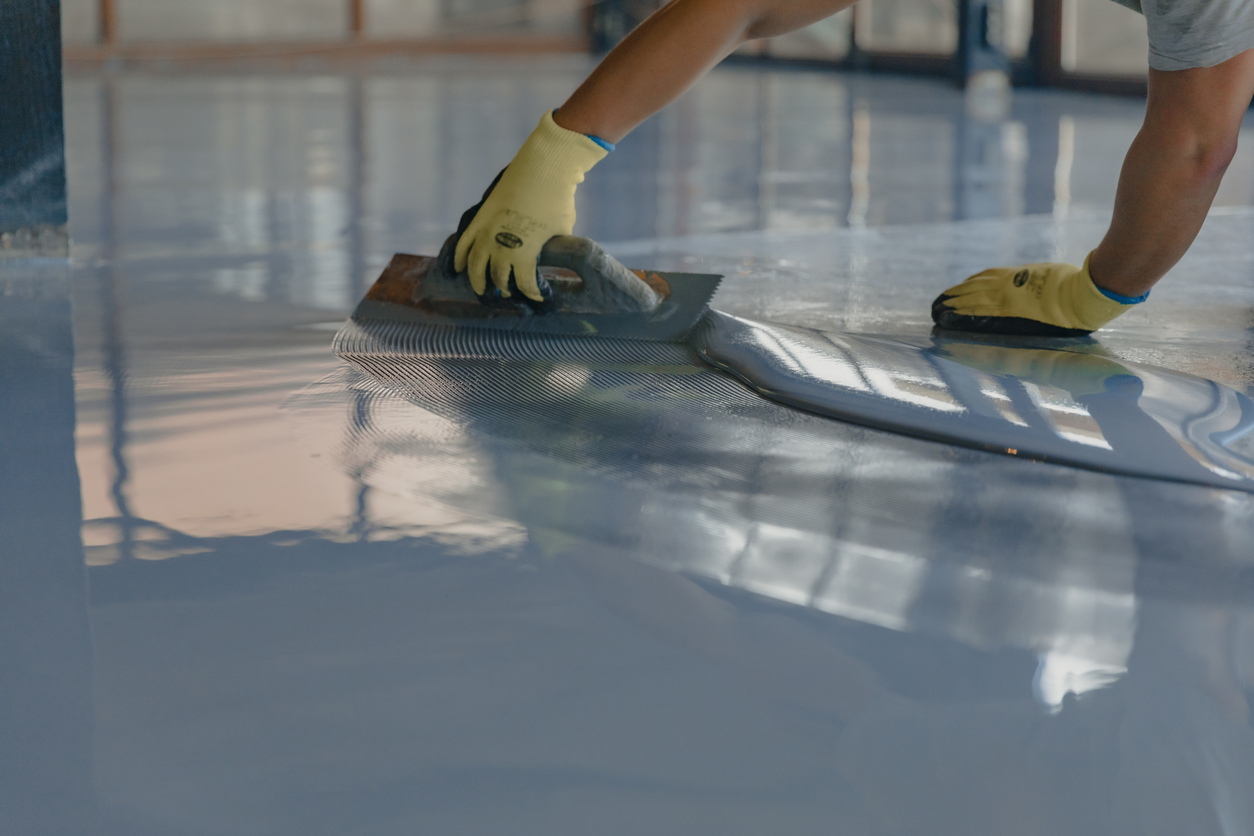
When it comes time to improve your garage, basement, or shop floor, you've got more options than you might realize. The four most common choices are: professional epoxy systems, floor paint, interlocking floor tiles, and plain bare concrete. Each has its place — but they differ dramatically in durability, cost, appearance, and long-term maintenance.
Here's an honest, side-by-side look at each so you can make the right choice for your situation.
Option 1: Professional Epoxy Floor System
A professional epoxy system consists of multiple layers: a primer coat, one or more pigmented 100% solids epoxy base coats (with optional color flakes or metallic effects), and a polyaspartic or polyurea topcoat for UV stability and abrasion resistance. The concrete is mechanically ground and prepared before any coating is applied.
- Lifespan: 10–20+ years
- Cost: $3–$7/sq ft professionally installed
- Durability: Excellent — resists impact, chemicals, tire marks, and UV
- Appearance: Showroom-quality; wide range of colors and finishes
- Maintenance: Very easy — sealed surface wipes clean
- Best for: Homeowners who want a long-term, permanent solution
Option 2: Floor Paint (Including DIY Epoxy Kits)
Most consumer "epoxy paints" sold at hardware stores are not true epoxy — they're latex or water-based alkyd paints with a small amount of epoxy resin added for marketing purposes. True two-part epoxy kits are better, but still use thin, low-solids formulas that don't compare to professional-grade 100% solids systems.
- Lifespan: 1–4 years before peeling or fading
- Cost: $0.50–$1.50/sq ft in materials (plus your time)
- Durability: Poor to moderate — prone to hot tire pickup, peeling, and chemical staining
- Appearance: Decent initially, degrades quickly
- Maintenance: Moderate — harder to clean once surface degrades
- Best for: Very low-traffic spaces or temporary situations where longevity isn't a priority
Option 3: Interlocking Floor Tiles
Modular interlocking tiles — typically made from PVC, polypropylene, or rubber — snap together over the existing concrete. They're popular as a DIY solution because they require no prep and can be installed in a few hours.
- Lifespan: 5–15 years depending on material quality
- Cost: $2–$5/sq ft in materials
- Durability: Moderate — tiles can crack under heavy point loads and shift or warp over time
- Appearance: Grid pattern; looks more utilitarian than finished
- Maintenance: Moderate — debris and moisture collect in the gaps between tiles
- Best for: Renters, temporary setups, or areas where you want something removable
Option 4: Bare Concrete (Sealed or Unsealed)
Doing nothing — or simply applying a clear concrete sealer — is always an option. Bare concrete can be clean and functional, but it has significant drawbacks for most garage and basement applications.
- Lifespan: Indefinite structurally, but surfaces dusty and stains easily
- Cost: Near zero (or $0.10–$0.50/sq ft for a basic sealer)
- Durability: Structurally durable, but surface stains permanently, absorbs oils, and dusts
- Appearance: Industrial/unfinished look
- Maintenance: Difficult — porous surface absorbs stains and is hard to clean thoroughly
- Best for: Storage-only areas with no aesthetic concern and very low traffic
Side-by-Side Comparison
| Factor | Pro Epoxy | Floor Paint | Tiles | Bare Concrete |
|---|---|---|---|---|
| Lifespan | 10–20+ yr | 1–4 yr | 5–15 yr | Indefinite |
| Durability | Excellent | Poor | Moderate | Poor surface |
| Appearance | Showroom | Decent initially | Utilitarian | Unfinished |
| Ease of Cleaning | Very easy | Moderate | Gaps trap dirt | Difficult |
| Long-term Cost | Low (lasts) | High (replaces) | Moderate | Low upfront |
Which Should You Choose?
For most homeowners in the Tri-Cities who are investing in their garage, basement, or shop floor, a professional epoxy system is the clear winner. It costs more upfront, but it's the only option that genuinely looks great, stays looking great, and doesn't need to be redone within a few years.
Floor tiles make sense if you're renting and can't make permanent changes, or if you want something you can move. Floor paint is a reasonable stopgap but shouldn't be considered a permanent solution. Bare concrete is fine for pure storage areas you don't care about aesthetically.
If you're going to spend time in your garage, work in your basement, or show your space to guests, a professional epoxy floor is simply the best investment you can make.
Ready to Choose the Best Option?
Contact us for a free estimate and let us help you pick the right system for your space and budget.
Get a Free Quote